What Are The Signs Of An Inefficient Central Heating System
When a central heating system begins to lose efficiency, the changes can be subtle at first. Many homeowners only realise something is wrong once comfort levels drop or bills rise unexpectedly. However, inefficiency usually develops slowly, and recognising the early warning signs can help you avoid breakdowns, unnecessary running costs, and long-term damage to the system. By understanding what to look out for, you can act promptly and keep your home reliably warm throughout the colder months.
Warning Signs Your Heating System Is Not Working Efficiently
Uneven Heating Throughout Different Rooms
One of the most noticeable signs of inefficiency is when your home develops warm and cold spots. You may find that one room heats up quickly while another remains chilly, even when the heating has been on for a while. This often indicates circulation issues, which can stem from sludge build up inside radiators, a failing pump, or valves that are no longer opening properly. Over time, these issues make it harder for heat to travel evenly through the system, forcing the boiler to work longer to compensate.
Radiators That Heat Slowly or Partially
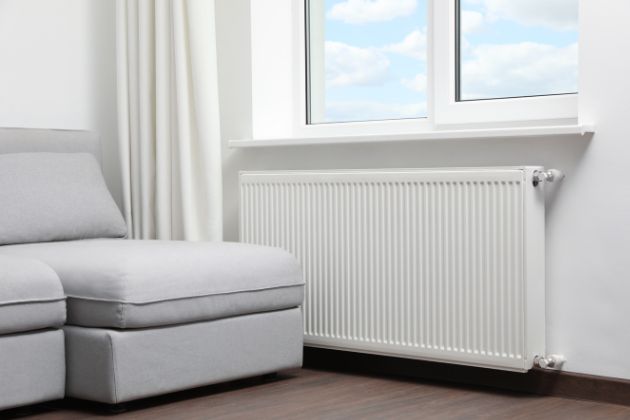
If your radiators are taking much longer to warm up than they used to, it is a strong indicator that the system is struggling. You might also notice radiators that are hot at the top but cool at the bottom, or the opposite, showing that the warm water is not flowing as it should. This can be caused by blockages, trapped air, or low pressure within the system. Slow heating radiators often lead to increased energy usage because the boiler has to run longer before the home reaches a comfortable temperature.
Increasing Energy Bills Without Increased Use
A rise in energy bills is one of the most common signs of an inefficient heating system. Even if your usage remains the same, the cost of heating the home increases because the system is no longer operating as efficiently. This inefficiency might come from worn components, poor heat transfer due to sludge, or a boiler that is struggling to maintain consistent performance. Many households only notice this when comparing bills from previous months, but a sudden or steady increase is often a sign that the system needs attention.
Frequent Boiler Cycling
Boiler cycling refers to how often the boiler switches on and off to maintain the set temperature. Suppose you notice it cycling more frequently than before. In that case, this can suggest an issue such as incorrect boiler sizing, faulty temperature controls, or heat not being distributed evenly throughout the home. Frequent cycling wastes fuel and reduces the lifespan of the appliance because the boiler is constantly restarting. Addressing this early can make a noticeable difference to both comfort and efficiency.
Unusual Noises From the System
An efficient heating system should run with very minimal noise, so if you start hearing tapping, banging, gurgling, humming, or whistling, it almost always points to an internal problem. These sounds can be caused by trapped air, limescale build up, or water struggling to circulate. In some cases, pump issues or worn bearings can also contribute. Whatever the cause, unusual noises should always be taken seriously because they often worsen over time and can lead to more severe faults.
Hot Water Temperature Fluctuations
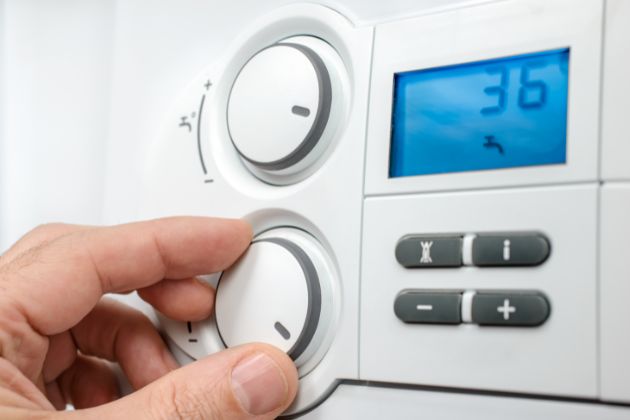
Changes in hot water temperature are another clear sign of inefficiency. If the water runs hot one moment and lukewarm the next, or if it takes a long time to warm up, the system is not delivering heat consistently. This can be caused by failing valves, inconsistent boiler performance, or problems with heat exchangers. Fluctuating hot water is more than an inconvenience; it often signals a developing issue that will continue to worsen without professional assessment.
Higher Pressure Drops or Constant Repressurising
If you find yourself regularly topping up the boiler to maintain the correct pressure, this is a sign that something within the system is not functioning properly. Pressure can drop due to leaks, faulty expansion vessels, or air entering the system. Repressurising too often not only affects efficiency but also places unnecessary strain on the boiler.
When To Seek Professional Support
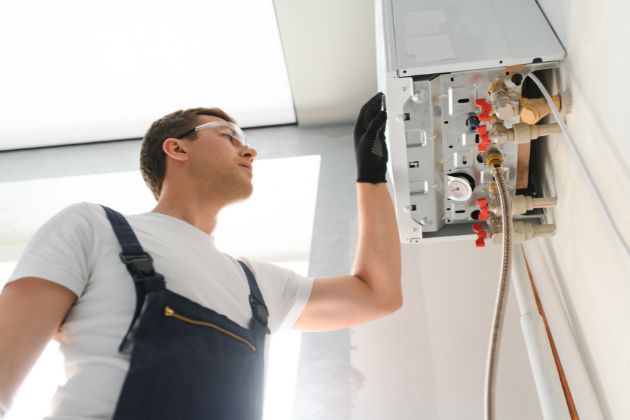
If you notice any of these problems, it is usually a sign that the system is using more energy than necessary or is developing a fault. Addressing issues early not only improves efficiency but also helps prevent bigger repairs later on. Regular servicing, system cleaning, and performance checks can restore efficiency and extend the lifespan of your heating system.
Reliable Heating Services in Storrington, Horsham, West Sussex, Pulborough and Billingshurst
Pipeline Plumbing Services offers professional support for homeowners who are experiencing signs of an inefficient heating system. Whether your radiators are taking too long to heat, your bills are rising, or you are hearing unusual noises, our engineers can diagnose the issue and restore your system’s performance. Call us on 01903 740538 or 07871 725133 or complete our contact form to schedule a visit.