
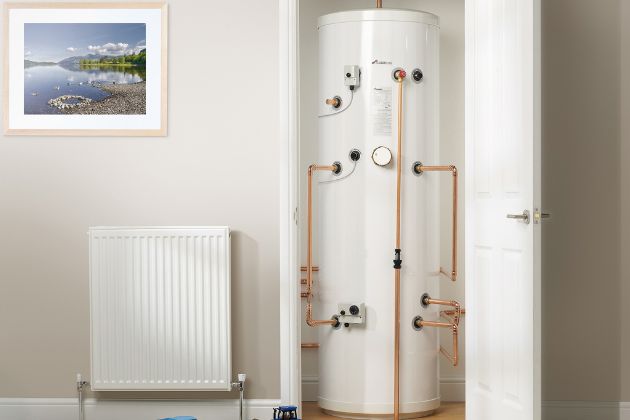
Unvented hot water cylinder: warning signs to act on
If you rely on an unvented hot water cylinder, recognising early warning signs is essential to protect your home and your family’s safety. These systems deliver powerful, mains-pressure hot water, providing excellent performance and convenience. However, because they operate under high pressure, they must be carefully maintained and regularly checked to prevent faults that could lead to leaks, pressure issues, or even dangerous failures.
Staying alert to any unusual sounds, leaks, or changes in water temperature can help you address problems early and keep your hot water system running safely and efficiently.
Key warning signs your unvented cylinder needs attention
Unvented cylinders are designed with multiple safety features, so they often give you clues that something is not right. Ignoring those clues can allow minor faults to develop into serious problems.
Some of the most common warning signs include changes in how your hot water behaves, new noises, and visible signs of discharge or leaks around the safety components.
- Water discharging from the tundish or T&P valve
- Fluctuating hot water temperatures at taps or showers
- Low or suddenly reduced hot water pressure
- Banging, knocking or rumbling sounds from the cylinder or pipework
- Immersion heater constantly tripping its safety cut-out
Temperature & pressure relief valve discharge
The temperature and pressure relief (T&P) valve is a key safety device. It is designed to open and release water if the cylinder temperature or pressure goes above safe limits.
If you see regular or heavy discharge when the system is in normal use, it can point to issues such as overheating, over-pressurisation, a faulty valve, or a problem with the expansion vessel. This should be checked by a qualified engineer without delay.
Fluctuating hot water temperatures
Water running too hot one moment and lukewarm the next is not just an annoyance. It could indicate a faulty thermostat, limescale build-up on the immersion heater, or a mixing valve issue.
Very hot water can be a scald risk, especially for children and older people. If your taps or shower are unpredictably hot, have the system inspected rather than simply turning the thermostat down and hoping for the best.
Low hot water pressure or flow
Unvented cylinders usually provide strong, mains-pressure hot water. If you notice a drop in hot water flow, especially when cold water pressure seems normal, it can signal a problem within the unvented system itself.
Possible causes include partially closed valves, a blocked filter or strainer, issues with the pressure reducing valve, or limescale build-up. A professional can test pressures around the cylinder to locate the fault.
Tundish leaks and what they indicate
The tundish is a small, often clear or white plastic viewing fitting on the discharge pipework from the safety valves. It provides a visual indicator if the system is releasing water, so you can see problems early.
Under normal conditions, the tundish should be dry. Occasional brief drips immediately after heating can sometimes occur, but anything more than that should be treated as a warning sign.
Occasional dripping versus constant flow
A light, short-lived drip immediately after the cylinder heats up may point to slight expansion being relieved. It still deserves mention at your next service so it can be checked.
Continuous dripping, a steady trickle, or spurts of hot water through the tundish suggest a fault with the T&P valve, expansion vessel, or pressure controls. In these cases, the system should be switched off, and a qualified engineer called promptly.
Leaks, stains and damp around the cylinder
Any signs of water on or around the cylinder, damp patches on nearby walls, or staining beneath pipe joints are reasons to act. Even slow leaks can damage surrounding fabric and fittings over time.
Do not attempt to tighten or cap safety valve outlets yourself. Interfering with discharge pipework can be extremely dangerous on an unvented system.
Safety first: risks of DIY on unvented systems
Unvented hot water cylinders store water at high temperature and pressure. They are covered by Building Regulations and in England and Wales must only be installed, serviced and repaired by engineers with the appropriate G3 qualification.
DIY work on these systems is risky. Incorrectly adjusted pressure controls, blocked discharge pipework or bypassed safety devices can all lead to dangerous over-pressurisation. In the worst case, this can cause cylinder failure with explosive force.
Even seemingly simple tasks, such as replacing a T&P valve or adjusting a pressure-reducing valve, require the right training and test equipment. For safety and compliance, always use a qualified, experienced engineer for unvented cylinders.
Maintenance and servicing checklist for homeowners
Regular servicing is the best way to keep your unvented cylinder safe and reliable. As a homeowner, there are simple visual checks you can carry out between professional services, without touching any controls or valves.
- Look at the tundish weekly to confirm it is dry
- Listen for new or worsening banging or rumbling noises
- Check for damp, stains or corrosion around the cylinder and pipework
- Note any changes in water temperature or pressure at your taps and showers
- Keep the area around the cylinder clear for ventilation and easy access
What a proper unvented cylinder service should include
A thorough annual service by a qualified engineer should go beyond a quick visual glance. They will isolate and safely depressurise the system where necessary, then carry out detailed checks.
Key elements of a good unvented service typically include:
Expansion vessel checks: Confirming the pre-charge pressure, testing the diaphragm, and ensuring the vessel is correctly sized and operating so that expansion is safely absorbed rather than vented.
Pressure reducing valve tests: Measuring incoming mains pressure and outlet pressure, confirming correct operation, and cleaning or replacing filters or strainers if fitted.
Safety valve and discharge tests: Manually operating safety valves where appropriate, checking for correct re-seating, examining the tundish and discharge pipework for blockages, kinks or incorrect termination.
An engineer should also check thermostats and controls, inspect for limescale build-up, verify insulation, and record their findings on a service sheet for your records.
Next steps if you are concerned about your cylinder
If you live in Horsham, Billingshurst, Pulborough or the wider West Sussex area and have noticed any of the warning signs above, it is sensible to act sooner rather than later. Do not ignore dripping from the tundish, banging noises, or frequent immersion cut-outs.
Pipeline Plumbing Services Ltd can carry out a safety inspection of your existing unvented cylinder, advise on repairs, and, where needed, help with upgrades or replacements. You can learn more about our unvented cylinder installation and hot water tank installation services, or book a safety check by calling Pipeline Plumbing Services Ltd on 01903740538.


